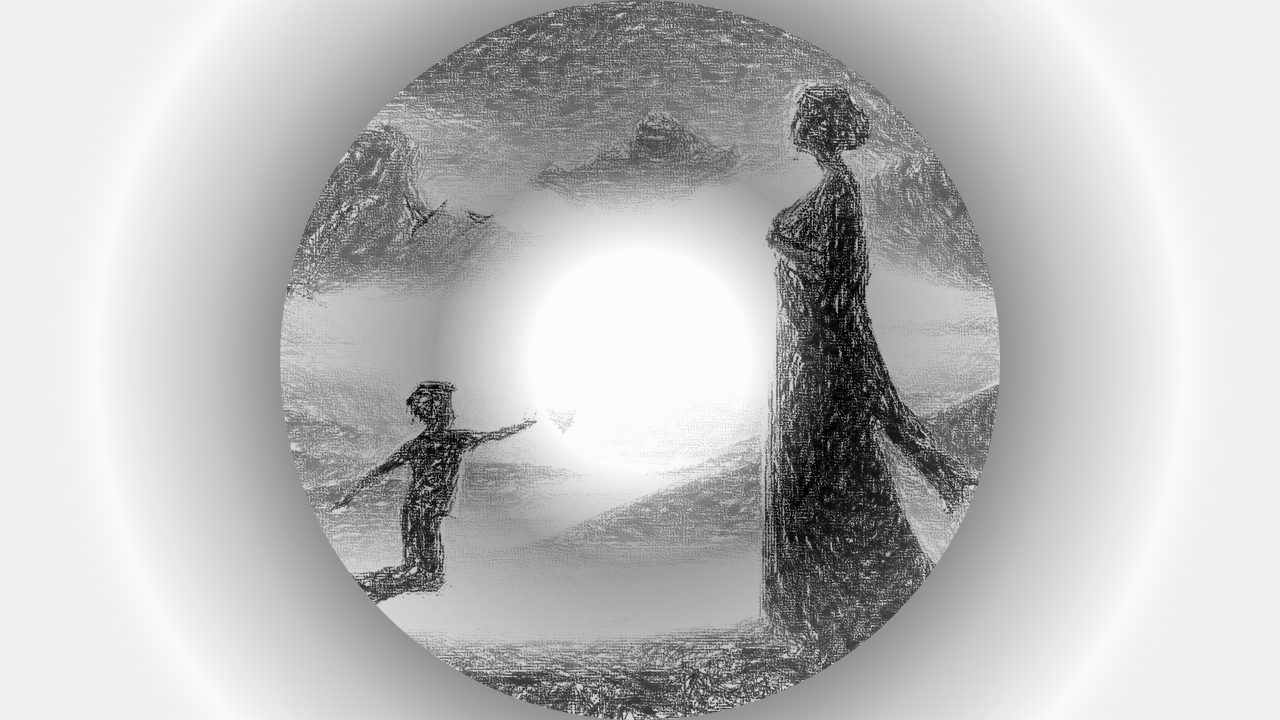
This is personal. My mother passed away suddenly, the day after my marriage. One moment she was there, handing my father a cup of tea, and the next moment she was gone—taken by a heart attack.
I didn’t know what to do then, and even today, I often find myself thinking: what could I have done differently? Could she still be here if I had acted faster, or known more? Yet, being a seeker of spirituality, I also hold a belief that helps me endure: it is what it is. Events happen as causes and effects. We cannot cling, we cannot resist. We can only accept, and then seek to understand.
That seeking led me to the question: why did it happen?
Doctors called it a myocardial infarction—but that is only the medical description of what occurred, not the root cause. It is the scientific label for the event, not the story behind it. And that deeper question of “what caused it” has been on my mind ever since.
A Larger Pattern
If you’ve followed the news in India lately—beyond politics—you may have noticed a troubling trend. There has been a rise in deaths caused by heart attacks. Old, young, seemingly healthy—none seem spared.
One case that caught national attention was Nithin Kamath, a well-known entrepreneur admired for his fitness. In his case, thankfully, he suffered a mild stroke, not a heart attack (myocardial infarction), in early 2024. His story underscores something crucial: a heart attack is not always about age, lifestyle, or obvious risk—it can strike anyone.
Medical research tells us there are many contributing factors:
- High blood pressure, diabetes, and cholesterol imbalances
- Smoking, alcohol, and poor dietary habits
- Sedentary lifestyles
- Stress and mental health pressures
- Environmental conditions (air pollution, seasonal triggers)
- Genetic predispositions
And more often than not, it’s not just one, but a unique combination of these factors that makes the heart vulnerable.
But there is another factor, one that deserves much more attention: what happens after the heart attack begins.
The Crucial Factor: CPR
Studies across the world show a simple, powerful truth: when more people around a heart attack victim know CPR, survival rates rise dramatically. Early intervention can make the difference between life and death.
According to a review published in the Indian Heart Journal, the bystander CPR rate in India is only 1.3%–9.8%, far below the target goal of 62% set by the American Heart Association Emergency Cardiovascular Care. Add to it the lack of robust emergency medical services, and you get a survival rate of less than 10% for Out-of-hospital cardiac arrest.
Here is an example of what bystander CPR can achieve: A doctor’s presence of mind and knowledge of CPR saved the life of an elderly man at Delhi Airport
That’s why I want to make this a call to action: please learn CPR, specifically chest compressions. There are excellent YouTube tutorials and guides that explain it clearly—here’s one from the Red Cross. Watch it, share it, and pass this knowledge forward. One day, you may save someone’s life.
I also believe this must be institutionalized. We should mandate CPR training for young adults in schools nationwide. In 2022, Dr Shrikant Eknath Shinde, Member of Parliament, proposed a bill in the Lok Sabha requiring CPR training for schools in India to reduce the high fatalities due to cardiac arrest. The status of this bill is currently unknown.
It’s not just skill-building, it’s life-saving.
My Mother’s Story
Even with these broader reflections, I keep circling back to my mother. What really caused her heart to fail that day?
Looking back, there were unique factors in play:
- It was December, the harsh winter in North India.
- She had been deeply involved in the wedding preparations for weeks.
- She had recently traveled between two cities, once by bus and once by flight.
- She was physically exhausted, as most of us were.
But there was something more. Her mental state.
When I last saw her, she was radiating joy—her face was glowing. She had just seen her son get married, her family gathered, her heart full. And in that state of absolute happiness, she collapsed.
This leads me to an educated guess: she may have suffered what is known as Happy Heart Syndrome. Medically, it’s a form of stress cardiomyopathy, more commonly linked to grief or shock (“Broken Heart Syndrome”), but documented also in cases of overwhelming joy.
Her physical exhaustion, the environmental strain, and her heightened emotional state together may have triggered the fatal event.
It is, in a way, a poetic answer. But I think it is also a reasonable one.
Closing Reflection
I share this not to dwell in grief, but in understanding. We may not always have clear answers—sometimes there is absence of evidence. But absence of evidence is not evidence of absence.
Science and spirituality both remind us of this truth. Science helps us search for causes, build probabilities, and act smarter in the future. Spirituality reminds us to accept what we cannot change, to see the beauty even in endings.
For my mother, I choose to believe she left this world not in pain, but in joy. That glowing face is the memory I hold. And perhaps that is how the heart too works; it beats with us in sorrow, in stress, and sometimes, it can’t contain overwhelming happiness either.
Leave a Reply